Biointensive tree-planting

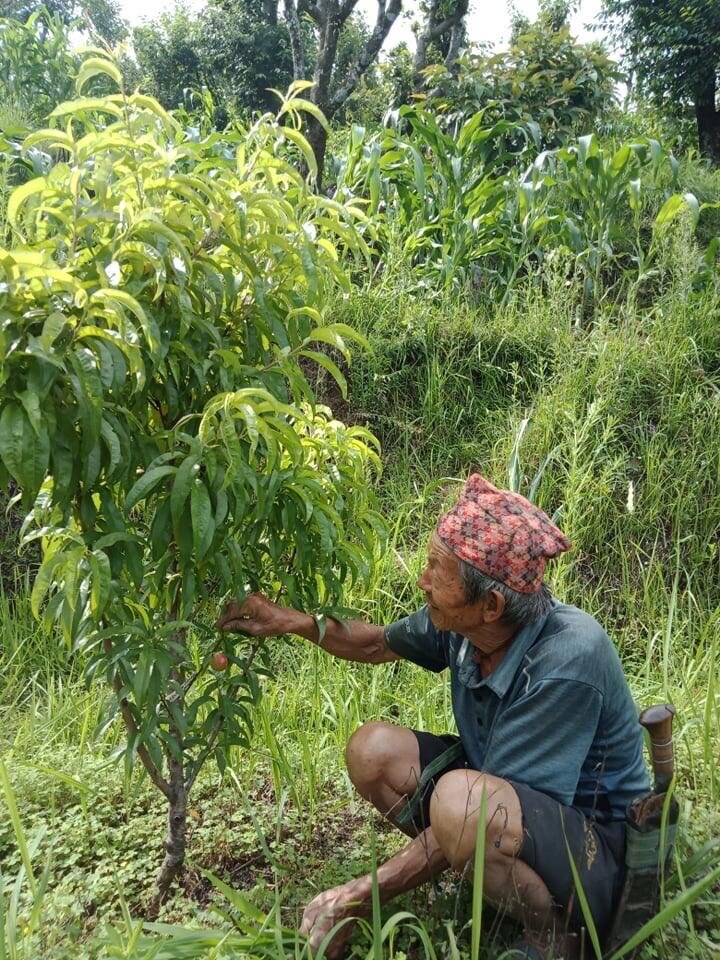
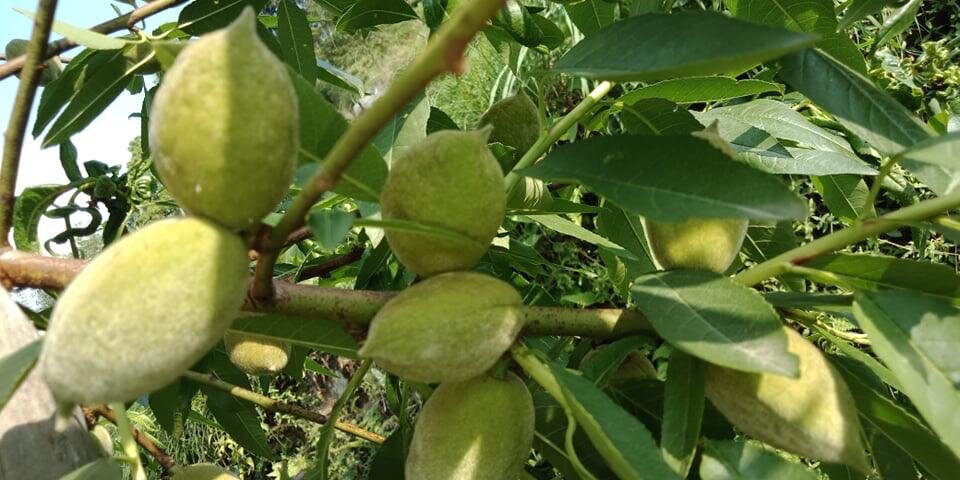
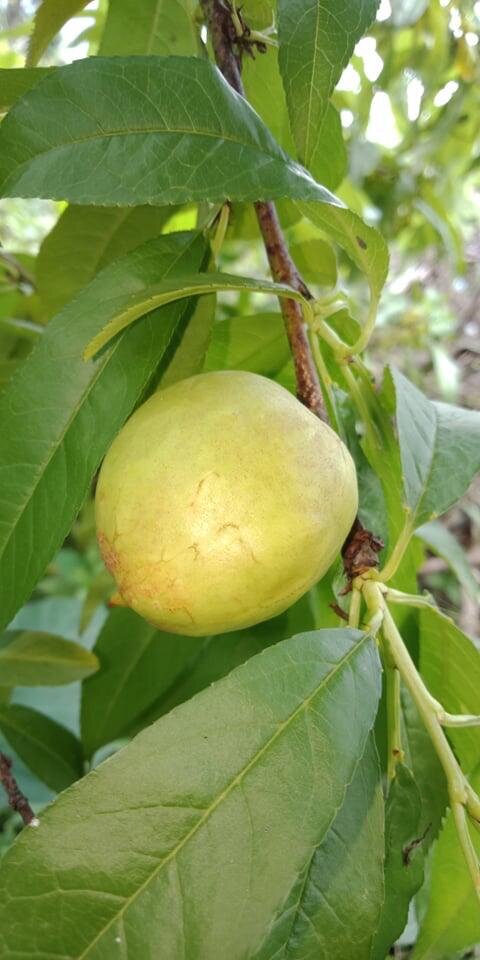
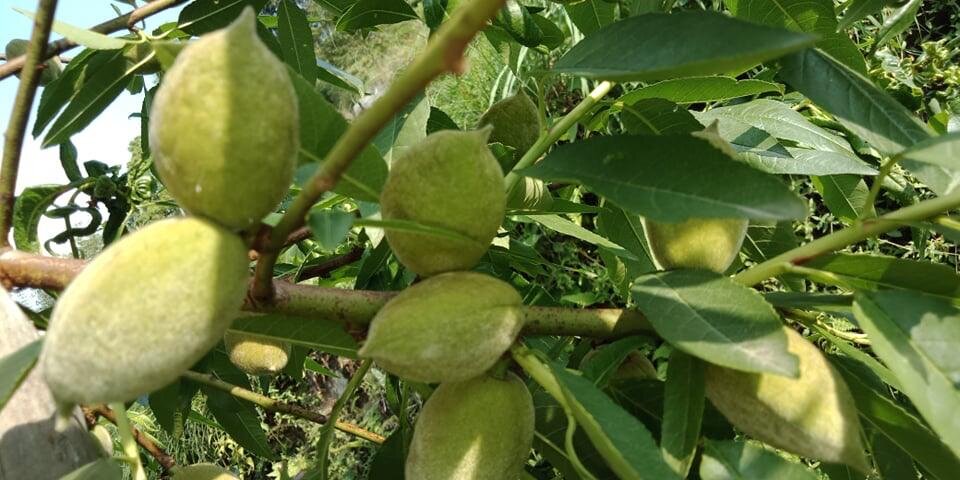
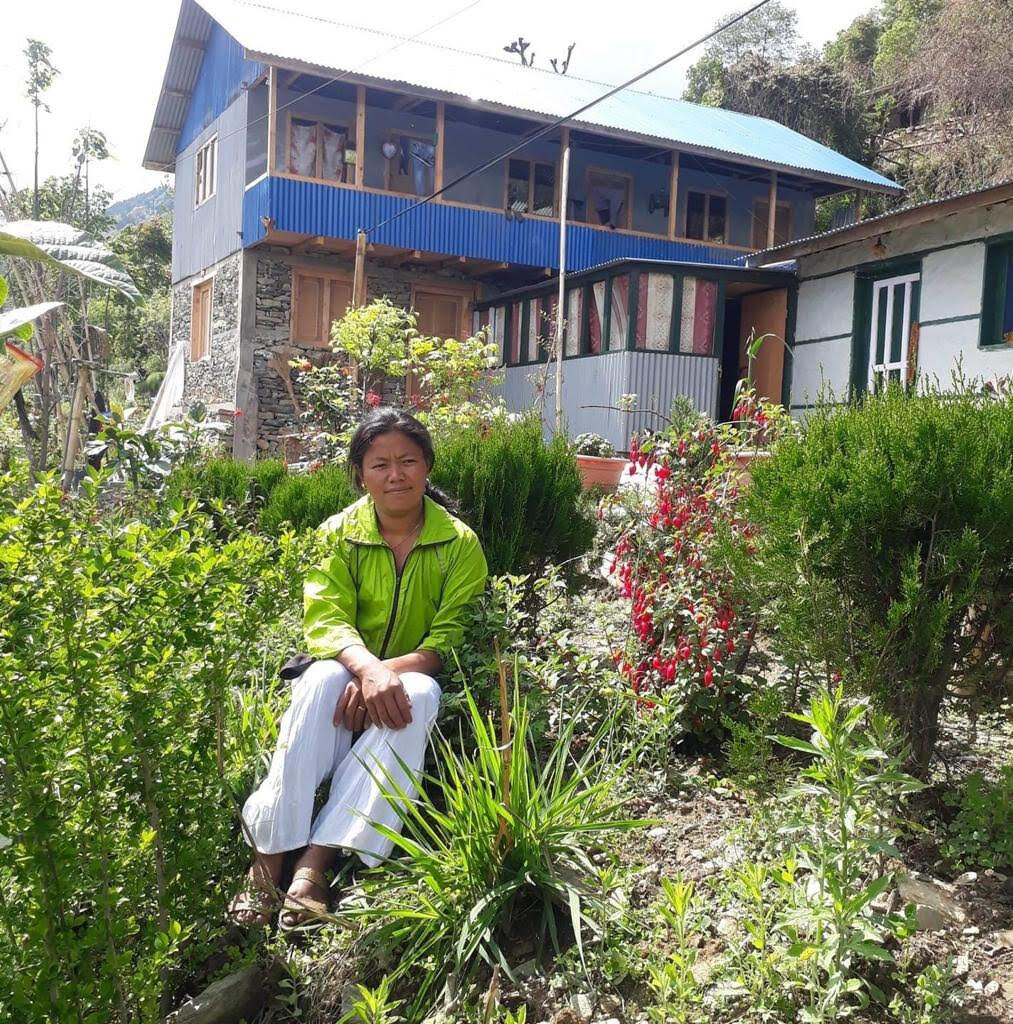
We have received some brilliant photo’s from the EcoHimal Nepal team up in Deusa, Solukhumbu. They show how farmers are being trained to plant fruit trees using the ‘biointensive’ method.

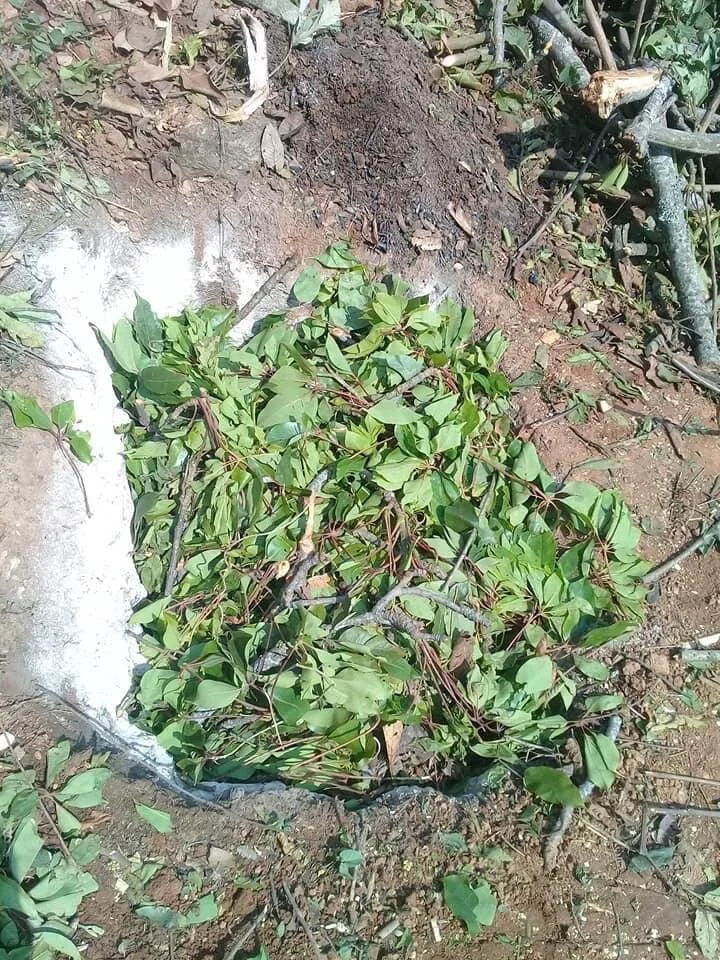
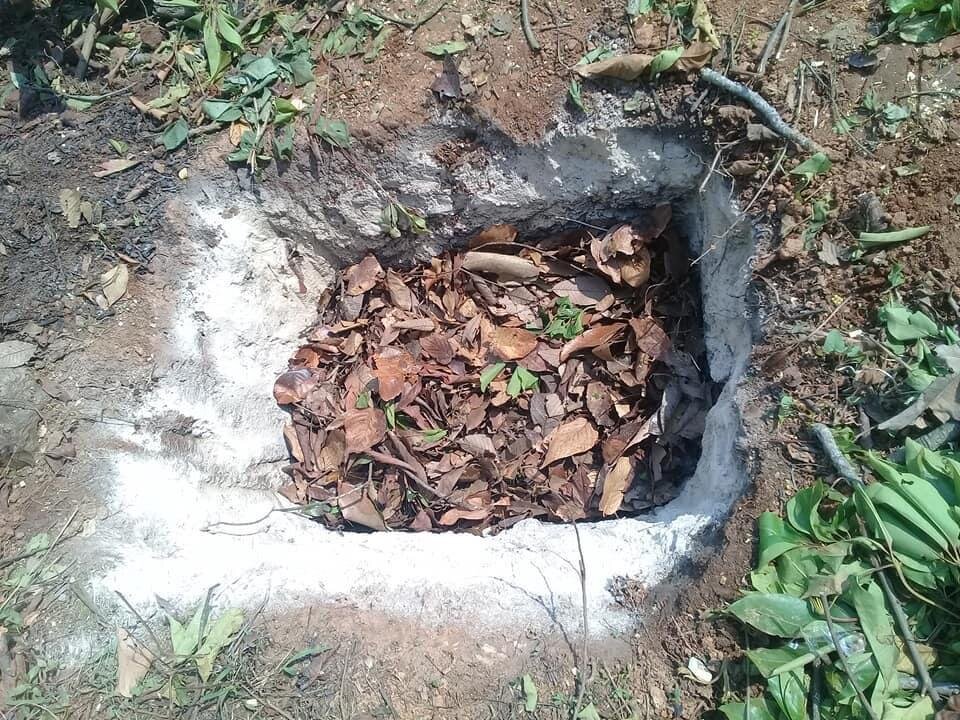
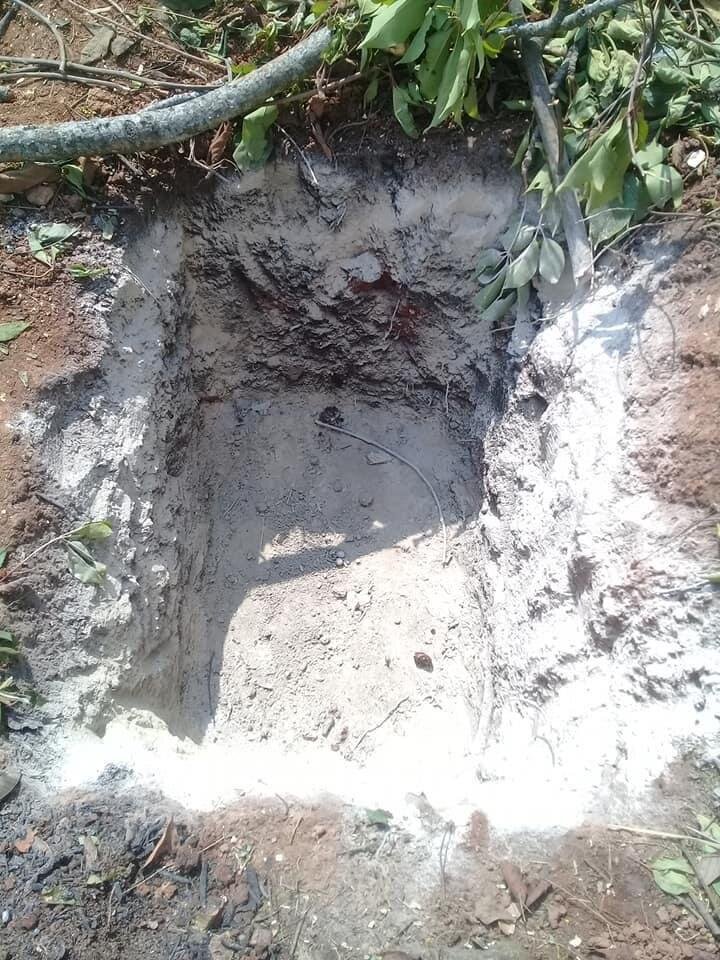
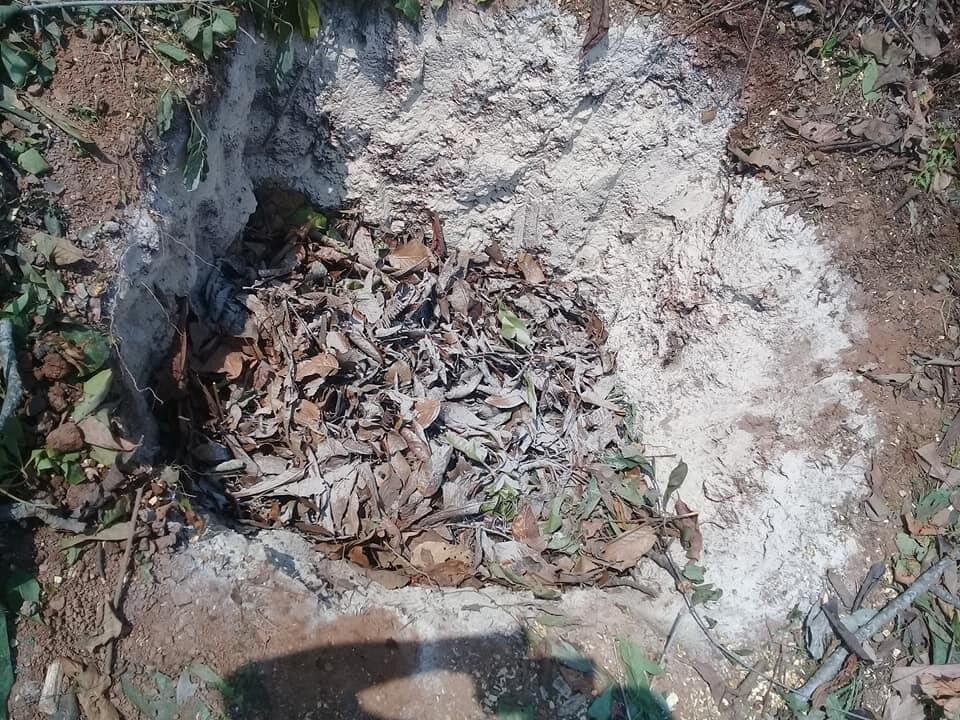
This approach is labour intensive, it involves digging a one metre deep and wide hole, which often means digging out large stones and the collection of various forms of wet and dry vegetation as well as ash.

Once the hole is dug, it is carefully filled back in. The original soil is layered with the vegetation, with planters making sure the top soil goes back at the top!
Tree planting is an important part of the Agroforestry approach to climate change adaptation that is being adopted in rural mountain villages that our projects support. Farmers are trained in how to plant trees, how to nurture them through their early growth and how to look after them when they are fully mature. All this is done following strict principles of organic farming; making the adaptation mindful of its knock-on effects.

In Deusa, EcoHimal Nepal and the Agro Forestry Resource Centre are promoting a diverse range of trees and species. The resulting ‘agro-biodiversity’ is crucial to the climate resilience of each farm as a whole.
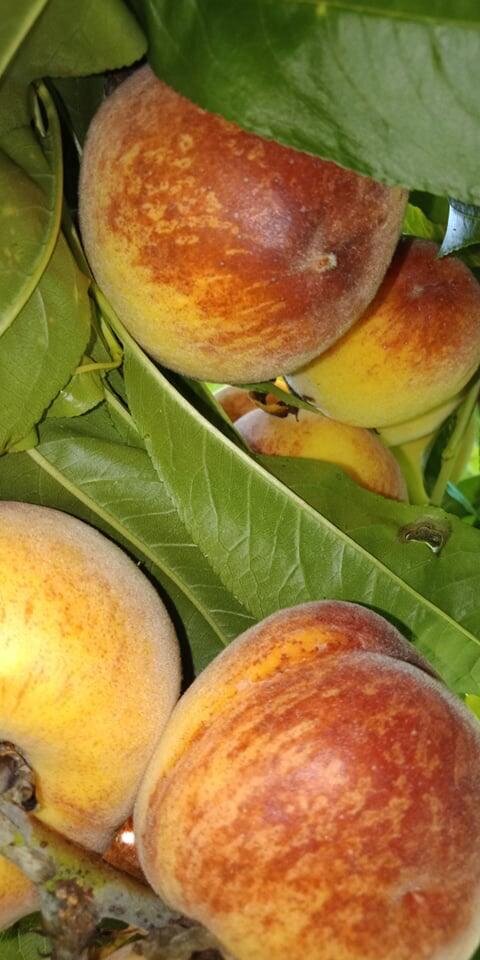
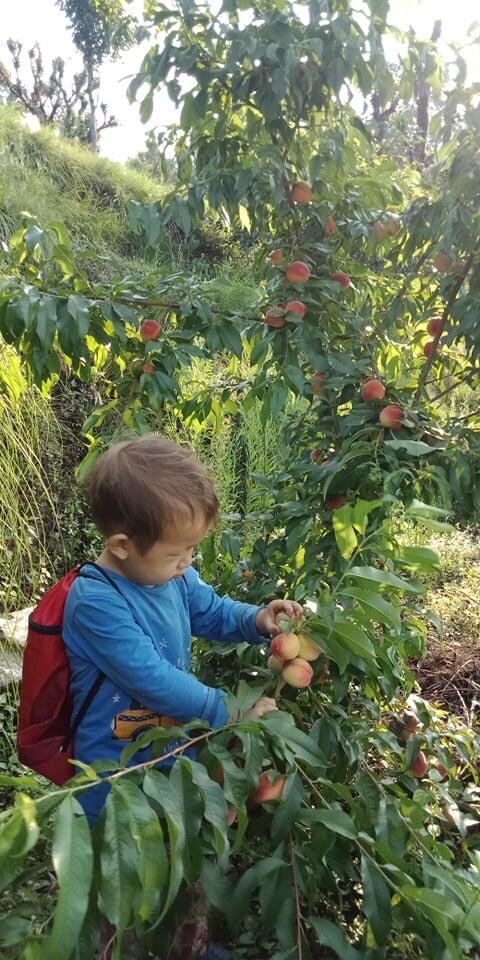
The support and training that enables climate change adaptation in Nepal doesn’t end with the fruiting of trees. EcoHimal also support farmers to get their crops to market through the establishment of cooperatives and routes to market.

To learn more about the biointensive method, watch this YouTube video of an EcoHimal training session in Mandan Deupur, Kavre - be warned though it is an unedited video of people filling in a hole - but there is a specific technique to this!

UPDATE: Soap and Hope in Solukhumbu

Through our #SOAPANDHOPE campaign, The Glacier Trust raised over £4,000 to support the efforts of our partner NGOs in Nepal to combat the threat of the Coronavirus pandemic. We topped this up with £2,000 from our reserves. In line with our principle of trusting and being led by our partners, we did not dictate how this money was to be spent. This series of photos was sent to us by EcoHimal Nepal.

The Coronanvirus pandemic and the nationwide lockdown that has resulted has had multiple impacts across Nepal. One of the biggest is the immediate end it has put to many people’s ability to earn money and buy food. In several locations, this is exacerbated by food supply chains becoming disrupted as imports from neighbouring India and China are either cut off by border restrictions, or seriously curtailed.

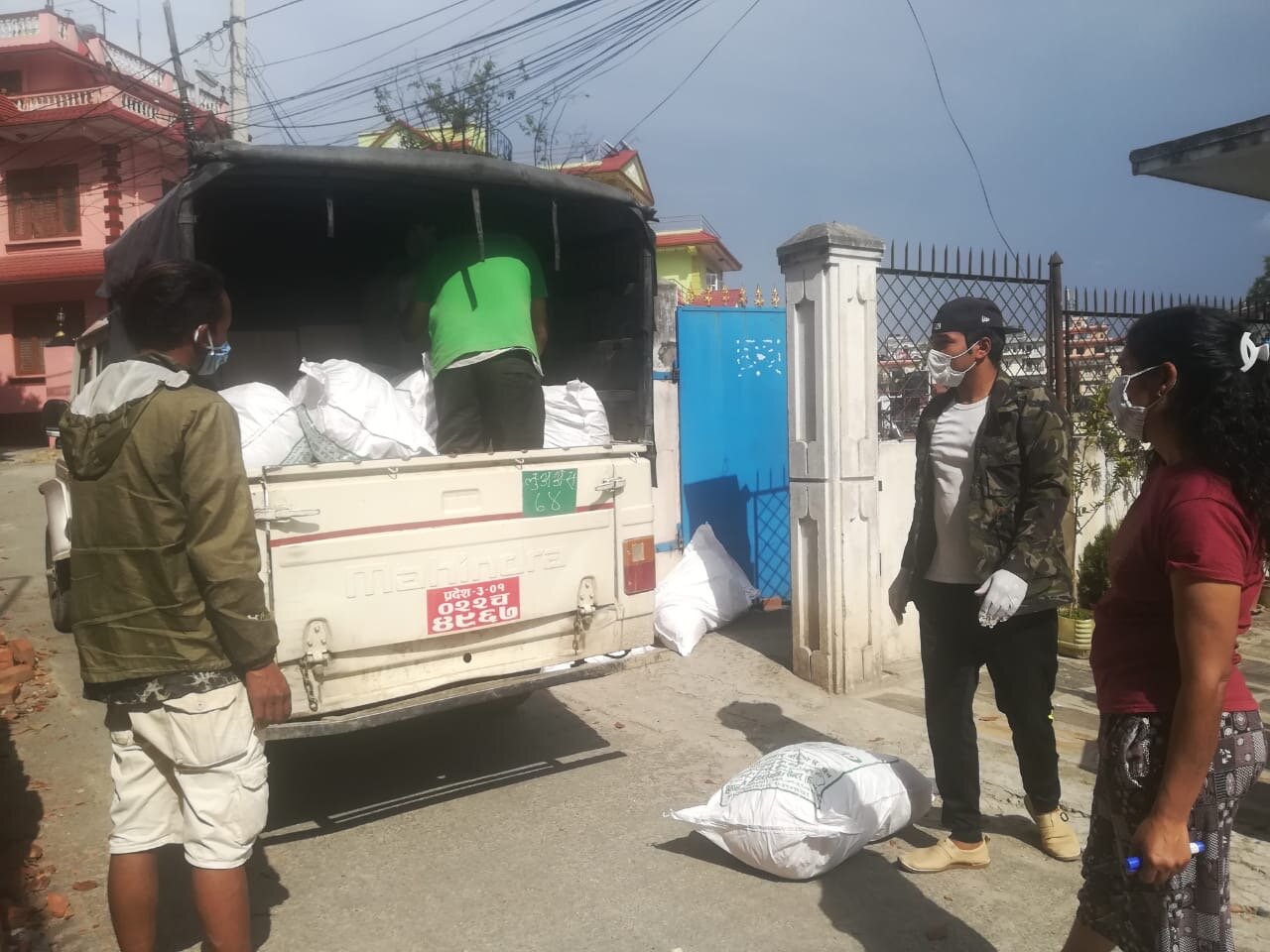
The priority for Mapya Dhuadkoshi in Solukhumbu therefore has been the supply and delivery of food staples. EcoHimal Nepal worked closely with local government to help supply this food, TGT has helped purchase and transport it to remote villages. These photos show rice arriving arriving in Mapya in mid May:

PHOTO-2020-05-20-16-41-36 (8).jpg
PHOTO-2020-05-20-16-41-35 (3).jpg
PHOTO-2020-05-20-16-41-36 (5).jpg
PHOTO-2020-05-20-16-41-36 (1).jpg

EcoHimal Nepal with support from The Glacier Trust and others has been enabling climate change adaptation in Solukhumbu for over ten years as part of an overall development effort. That work is now centred on Deusa Agro Forestry Resources Centre, but reaches out across the hills to neighbouring muncipalities, including Mapya Dhudakoshi.

UPDATE: Soap and hope in Kawasoti

Yesterday we received a series of photos from our NGO partner, HICODEF in Kawasoti, Nawalparasi, south central Nepal.

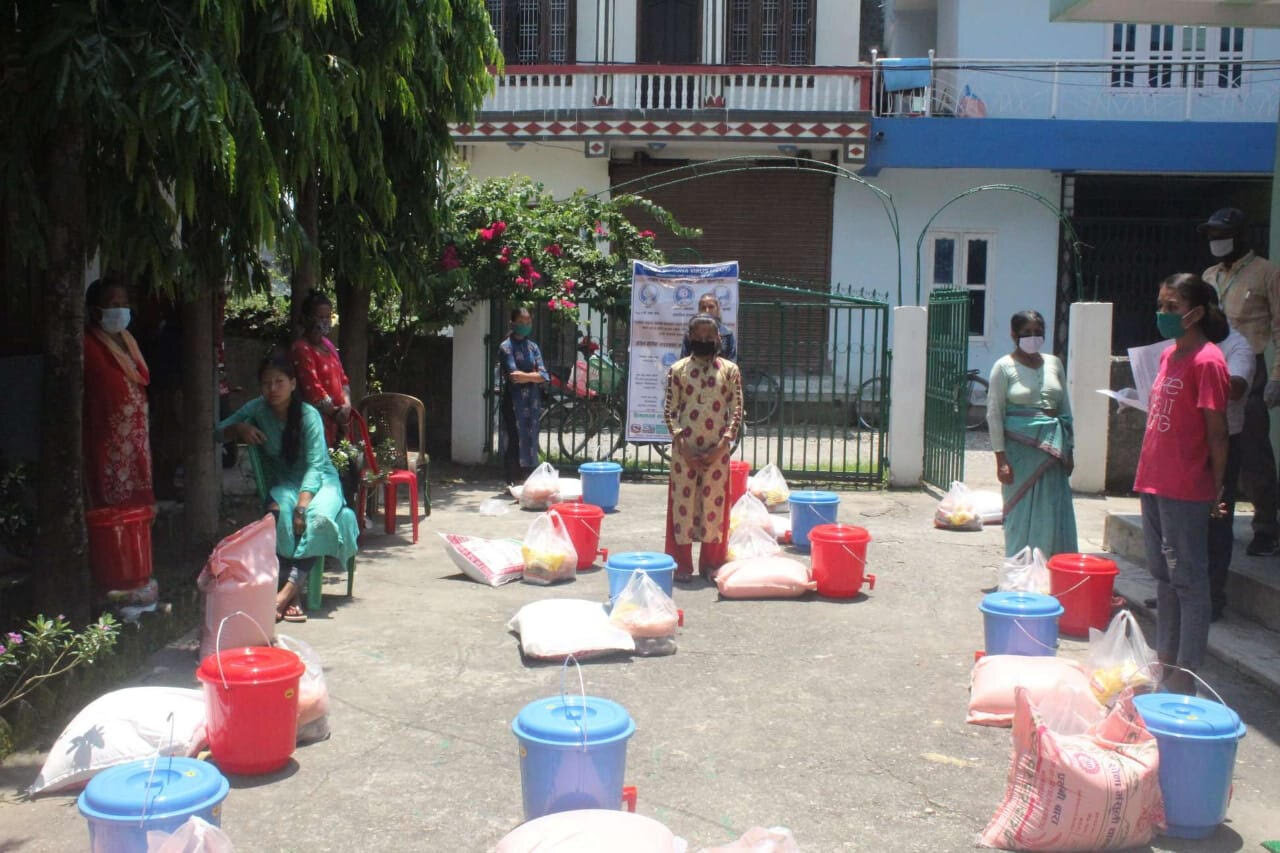
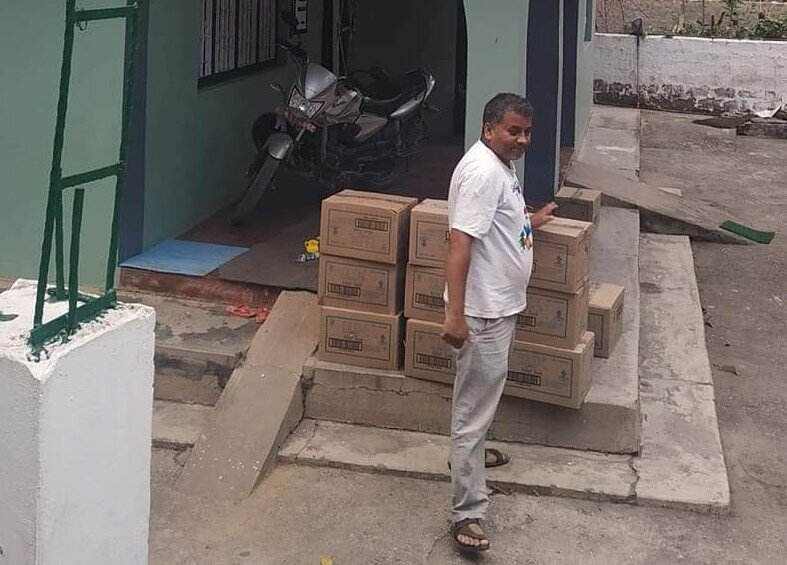
HICODEF has a scholarship programme for young people. They are all from very poor homes in and near Kawasoti, a town on the Terai plain. HICODEF invited the young women on the scholarship programme to their offices to collect materials. 19 households have been supported.

These materials were part funded by our SOAP AND HOPE Crowdfunder. Thank you for your support.

unnamed (4).jpg
unnamed (5).jpg
unnamed.jpg
unnamed (2).jpg

Three new rooms at Deusa AFRC

The Agroforestry Resource Centre at Deusa, Solukhumbu is one of TGT’s flagship projects. It was originally concieved by our founder Robin Garton and Narayan Dhakhal (EcoHimal) and opened its doors in 2015.

Since opening it has gradually expanded, with new office space, kitchens, meeting spaces, bathrooms and accommodation being added each year. TGT has been supporting this process. Last month, work was completed on an extension to the kitchen and office block:

Three bedrooms have been added, which can accommodate up to nine people. Deusa AFRC hosts regular training events, these rooms will enable farmers to stay overnight so that two-day courses become possible for those living further away.

The additional rooms will also be used by tourists and visiting school groups. Our co-directors, Richard and Morgan will no doubt also get a chance to sleep there one day soon too!

Maintain Physical Distance

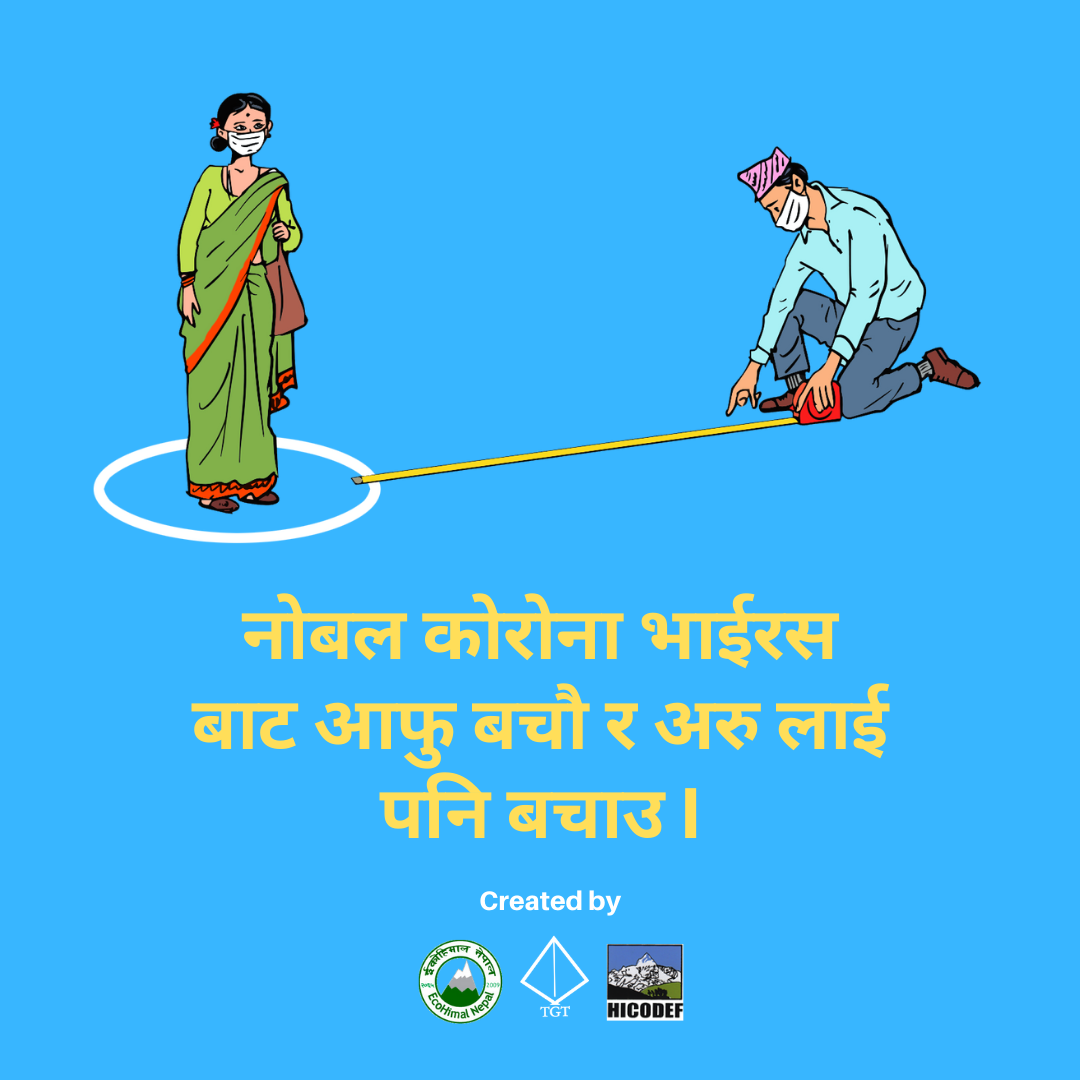
Last week we created a series of Social Media assets to help spread important messages on maintaining physical distance to stop the spread of Coronavirus in Nepal.

Please share these images via your Social Media channels

For use as a Facebook cover image.

For use as a Facebook cover image.

Facebook cover image

Facebook cover image

Instagram / Facebook post

Instagram / Facebook post

Instagram / Facebook post

Instagram / Facebook post

Instagram / Facebook post

Instagram / Facebook post

Instagram / Facebook post

Instagram / Facebook post

Instagram / Facebook post

Instagram / Facebook post

Instagram / Facebook post

Instagram / Facebook post

Instagram / Facebook

Instagram / Facebook

Instagram / Facebook

Instagram / Facebook

Facebook cover image

Facebook cover image

Facebook cover image

Facebook cover image

Please share these images

Illustrations by Yogesh Khapandi (Kathmandu); the design work has been done by Diana Garcia (London) with text by Eco Himal Nepal. Thank you all.

We have been sharing these images via our social media channels: Twitter, Instagram and Facebook. A ‘boosted’ post over the weekend helped us to reach 155,000 people in Nepal.

Please feel free to download these images and share them to help the Physical Distancing message spread.

If you would like to tag The Glacier Trust on Twitter or Instagram, our handle is @theglaciertrust

UPDATE: Soap and Hope

On Tuesday April 14th, we launched #SOAPANDHOPE a campaign to raise funds to support our partner NGOs in their efforts to prevent a catastrophic spread of the deadly Coronavirus in Nepal.

We achieved our initial target of £2,000 within 48 hours and combined that with £2,000 from TGT’s reserves to send £4,000 to Nepal on Thursday 16th. In addition to this funding, we also secured a donation of 7,200 bars of soap from Unilever as part of their global COVID-19 handwashing campaign.

If you have already supported, thank you. If not, there is still time, the crowdfunder will remain open until Tuesday April 28th.

In this article we summarise the activity that has taken place so far.

EcoHimal Nepal

We have sent £3,000 to EcoHimal, they have also collected 3,600 bars of soap from a Unilever depot near Kathmandu.

EcoHimal are our largest NGO partner, we are working with them to enable climate change adaptation in three different districts in Nepal: Kavrepalanchok, Solukhumbu and the very remote Sankhuwashabha.

Essential supplies are loaded onto a jeep in Kathmandu for delivery to Solukhumbu

Essential supplies are loaded onto a jeep in Kathmandu for delivery to Solukhumbu

Working closely with Local Government and project officers on the ground EcoHimal have purchased and distributed a variety of supplies to our project locations:

  • 2,592 bars of soap have been sent to Thulung Dhudhakoshi and Mahakulung (Solukhumbu) these will be used by families served by Deusa Agro Forestry Resource Centre;

  • 1008 bars of soap have been sent to Mandan Deupur in Kavrepalanchok; these will be distributed to families served by Mandan Deupur Agro Forestry Resource Centre;

  • 166 KGs of summer vegetable seeds have been bought and sent to Thulung Dhudhakoshi;

  • Mahakulung has received the following items:

    • 5 PPE packs;

    • 3 fever scanning thermal guns;

    • 5 litres of glycerine;

    • 30 N95 masks;

    • 500 pairs of disposal gloves;

    • 20 bottle of hand sanitizer (500ml each); and

    • 300 triple layer protection face masks

  • 150,000 Nepal Rupees (approx. £980) has been sent to Sankhuwashabha to support in transporting emergency food supplies;

  • Plans are also being made to send food items to Waku, our project location in Mapya Dhudhakoshi (a more remote part of Solukhumbu).

HICODEF (Nawalparasi)

£1,000 has been sent to our NGO partner HICODEF who are based in Kawasoti, Nawalparasi, south central Nepal. They have also collected 3,600 free bars of soap from Unilever’s depot in Chitwan.

3,600 bars of Lux soap arrive at HICODEF’s offices in Kawasoti ready for distribution to the rural villages.

3,600 bars of Lux soap arrive at HICODEF’s offices in Kawasoti ready for distribution to the rural villages.

We have worked with HICODEF for over five years to enable climate change adaptation in the Himalayan foothills just north of Kawasoti.

TGT is currently enabling HICODEF’s Layer Farming for Adaptation project in Nawalparasi East. There are eight municipalities in this district. HICODEF has consulted closely with Local Government officials to decide on how to spend the £1,000.

Lockdown means that people aren’t able to work or earn money, few families have adequate savings, hunger is therefore the immediate and gravest danger.

  • HICODEF has purchased 100 bags of rice. This will bolster the supplies Local Government is providing. The 25KG bags will be distributed equally across the eight municipalities, with a focus on the most deprived households.

  • The 3,600 bars of soap supplied by Unilever will also be distributed equally across the eight municipalities.

Local Government will organise and manage the distribution of soap and rice, with remote support by HICODEF’s officers and managers in the community.

Our Crowdfunder, #SOAPANDHOPE will be live until Tuesday April 28th. The response has been fantastic so far, we are near to hitting our stretch target and hope to go beyond that to hopefully raise a total of £4,000. That will enable us to spend a further £2,000 on efforts to prevent a Coronvirus catastrophe in Nepal. Please support if you can.

Latest updates on #COVID-19 from our partners in Nepal

We are receiving regular updates from our partner NGOs in Nepal on the situation relating to COVID-19. We will relay these updates to you on this page.

UPDATED: 16.30 GMT: 27th March

From Narayan Dhakhal (Executive Director, EcoHimal Nepal, in Kathmandu)

Narayan is housebound in Kathmandu, but still directing operations for EcoHimal who have staff scattered around the country. He has sent several updates today:

The local government’s are asking for COVID-19 precaution kits, like masks, gloves, sanitizer, towel, soap, bucket, etc. for distribution and also support for the fever clinic operation tools like fever scanner and above mentioned goods including PPE. But it is difficult to buy in the moment and impossible to transport due to lockdown.

Nepal is sending a plane to china to bring PPE and distributed to the health workers. Other materials in the moment are not possible to buy, so it is not possible to assure, since government itself is in scarcity. I will let you know if there are any possibilities.

One more covid-19 positive found. Out of 802 people tested 3 are found positive, all are imported cases. The last case is in far west Nepal, he came home from the Middle East with the virus.

However, in general there is no COVID-19 outbreak yet, and hoping for not; no casualty yet, hope for not. We are concerned that because the border with India remains partially open, thousands of Nepali people entered and may have spread the virus around Nepal. That is not controllable even though everybody has been requested to stay in self quarantine. I doubt if they all follow that request. Therefore there might be many more imported cases.

So far supply of food and goods is not easy, but quite stable and no serious problem has been seen.

Specifically in relation to the situation in our project areas, Narayan told us:

I am regularly in touch with all staff members and working from home, most of my time is spent taking phone calls from different project sites and staff members.

Keshab Rai at Deusa AFRC is working from home and only coming to the AFRC to take care of plants and animal. Other activities have halted there.

I am collecting opinion from different staff members about their feelings. I will send you these tomorrow. I fear people might be exaggerating the situation in the name of different missions but the ground reality is different. The lock down will be extended for sure, but no idea how long? Maybe two more weeks? Let us hope for a better situation.

UPDATED: 11.45 GMT: 26th March

From Pabitra Majhi – Co-Founder GET-Nepal (via Mark Goddard)

Extraordinary scenes from the streets of Kathmandu. It is unlikely to ever have been this quiet. Note the extent to which the streets are being sprayed with disinfectant. Pabitra also updated that a Chinese company has donated 2,000 testing kits to Nepal.

UPDATED: 12.05 GMT: 25th March

From Sajana Bhadel – President of Girls Empowered By Travel -Nepal (GET-Nepal).

Today is the second day of Lock-down. Everything was closed Yesterday (Kathmandu). I think the situation will be same today. We basically follow this Facebook page for the updates: https://www.facebook.com/officialroutineofnepalbanda

Everything will be closed besides these services; Important Notice: Home Ministry has made it clear that emergency/essential services like Health, Security, Food (i.e Daal, Rice etc), Water, Milk, Electricity, Telecommunications, Information and Communication, Waste Management etc will not be closed.

In Southern Nepal, Birgunj city, Parsa district, GET-Nepal have organised some awareness programs regarding COVID_19 (Hygiene/handwashing) and they distributed some masks, but pics show no social distancing.

UPDATED: 11.30 GMT: 25th March

From Kanchan Kattel (Alumni TGT Higher Education Programme, in Kirtipur, Kathmandu)

So the whole country is under lock down. I'm locked up in the hostel with few other people and food for a week or so. Many people including my hostel mates rushed to villages few days ago (of course increasing the chances of transmission on the way and to the villages that were at much lower risk otherwise).

Only ambulance, health workers van, food/ fuel and pharmaceutical suppliers get the special pass to drive (probably the press too but not sure of that). Markets open up early in the morning for a hour or two and in the evening for few hours. This lock down is said to be for a week starting from 6 am yesterday but maybe it will extend looking at the situation. There's one positive case so far, the patient is the Nepali student who came all the way from France via Qatar Airways. Authorities are trying to trace her contacts and the passengers who came along with her. People are worried about the cases that are yet to be recorded.

UPDATED: 13.00 GMT: 24th March

From Dinanath Bhandari (TGT volunteer and Development professional based in Kathmandu)

Lock down has started. I hear news that people are obeying it mostly. But in the area where I am living in Kathmandu, house building goes on as usual and people are walking, some of them seems to collect essential items like drinking water. Especially those who live on daily wages, seem to keep on working.

UPDATED: 23.20 GMT: 23rd March

via Dinanath Bhandari (TGT volunteer, Kathmandu)

The Nepal Government has announced strict controls on all citizens:

These 8 decisions will be implemented from 6AM tomorrow (24th March)

  1. No one should go out except for medical emergencies and food purchases.

  2. All kinds of public and private vehicles are banned except for the permitted vehicles, and those used by medical professionals and security agencies. 

  3. All domestic flights are halted except for the ones used by the security agencies and other designated flights. 

  4. Related heads of offices should grant a leave except for the most essential services like health, security, food, water, milk, electricity, telecommunication, information and communication, customs, quarantine, garbage management. 

  5. Except for drugs and health equipment manufacturing, food, water, milk, energy companies, all other private industries grant a leave to workers and staff. 

  6. Businesses should manage ways to supply drugs and drugs-related material. Those hoarding goods, creating artificial shortage, black marketers, and obstructing supplies will be punished as per the law, and those goods will be confiscated and used in medical treatments. 

  7. This order is implemented as per the Infectious Disease Act, 2020’s Subsection 2 of Section 2.  To implement this order, all chief district officers will be mobilized and the Local administration Act, 2028 will be activated. 

  8. Those disobeying or obstructing the order as per the Infectious Disease Act, 2020  will be punished as mentioned in the Act.

https://myrepublica.nagariknetwork.com/amp/these-8-decisions-will-be-implemented-from-6am-tomorrow/news.html.twig


UPDATED: 13.40 GMT: 20th March

From Narayan Dhakhal (Eco Himal)

Nepal Government has decided to lockdown gathering and movement of people in public areas from 22 March till 3rd of April 2020 until further notice. Our office remains closed and we will try to work from home as much as possible. I will notify all the staff members to stay at home and work if possible from there. Most of the staff has no such capacity. It means all of staff members will have sort of holiday.

This follows the Nepal PM’s address to the nation. More on that here: https://thehimalayantimes.com/kathmandu/pm-oli-delivers-special-address-all-flights-suspended-from-march-to/

UPDATED: 11.30 GMT: 20th March

From Narayan Dhakhal (Eco Himal)

Narayan has sent thorough a photo of the COVID-19 health awareness posters Eco Himal are distributing across the communities we are working with.

Nepal Prime Minister KP Sharma Oli is addressing the nation this evening.

IMG_5448.jpeg

UPDATED: 8.40 GMT: 19th March

From Richard Allen (TGT co-director (Nepal), Kathmandu)

Nepal Gov. still claims there is only one confirmed case in Nepal from January - recovered. Latest data that I have seen (from yesterday) 510 tests done, 510 negatives - but the panic is building.

More via Himalayan Times

UPDATED: 08.40 GMT: 19th March

From Surbir Sthapit (Executive Director, HICODEF, Nawalparasi)

We are together with local government working together to sensitize the communities in the working areas. As you know that the health system and facilities here in Nepal is very poor so we have give high priority for prevention. Furthermore we also decided to stop our field work that need mass gathering.

If you have some fund to spend for awareness of coronavirus would be great. 

UPDATED: 15.00 GMT: 18th March

From Dinanath Bhandari (TGT volunteer and Development professional based in Kathmandu)

The globalization of market system has connected everyone across the globe. When market is affected due to a disaster, it aggravates risk and impacts of disasters. Nepal is safe as of now from COVID19 but adverse effects of Corona affected market are already here. Our disaster preparedness is very weak; past efforts were heavily influenced by external donors, which did not develop country capacity properly. Now, global community is engaged to save themselves. We have opportunity to grow ourselves and build on our internal capacity to cope with disaster emergencies. We can start from self-discipline to obey safety rules and support government efforts.

UPDATED: 14:00 GMT 17th March

From Narayan Dhakhal (Executive Director Eco Himal Nepal, Kathmandu)

There is no outbreak of the Coronavirus except one student who arrived from china (so one imported case) on January 13. He was hospitalized and recovered well and discharged from the hospital. So far there are not any cases noticed officially.

However, Nepal is in highly danger zone and if the outbreak happens there is no real capacity of the government to take care of the people and treatment.

The economic impact is already high due to global situation. Food items, fuel and medicine are in shortage. Schools are going to close from 19th March. Big gatherings are restricted and people’s movement on the road has decreased over the last two days. There is high fear, but most of the people are still not aware of it. It is a sort of unknown. Village people are not really concern and daily life is not much affected. The rumour in the market and ground reality is different.

If there is question, how safe is Nepal from Coronavirus or COVID-19? It is not safe and highly is in risk. But luckily no suffering. Hope it will be not.

So far, all the organization [Eco Himal] is working as normal and trying to make some contingency plans.

We are going to have awareness program in the Mandan Deupur Municipality through making and sharing IEC (information education and communication) materials. We are planning to deliver 6-day programmes in two rounds.

Similarly, we are trying to educate people through radio.