Current Appeal
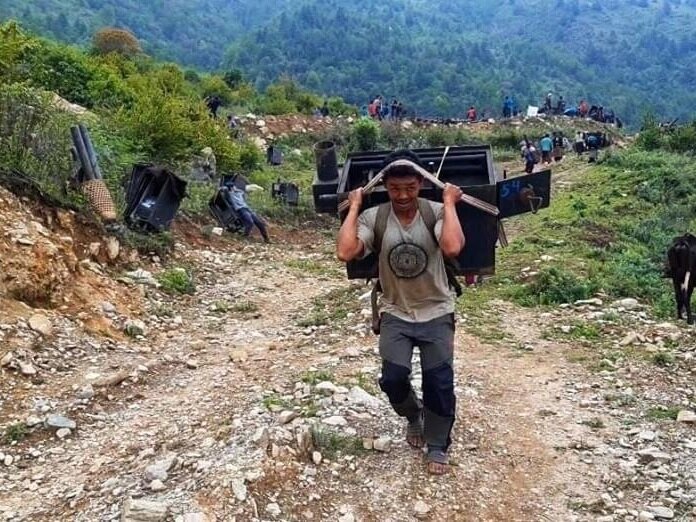
Forest Conservation and Alternative Fuels Mid Hills (Pahad)
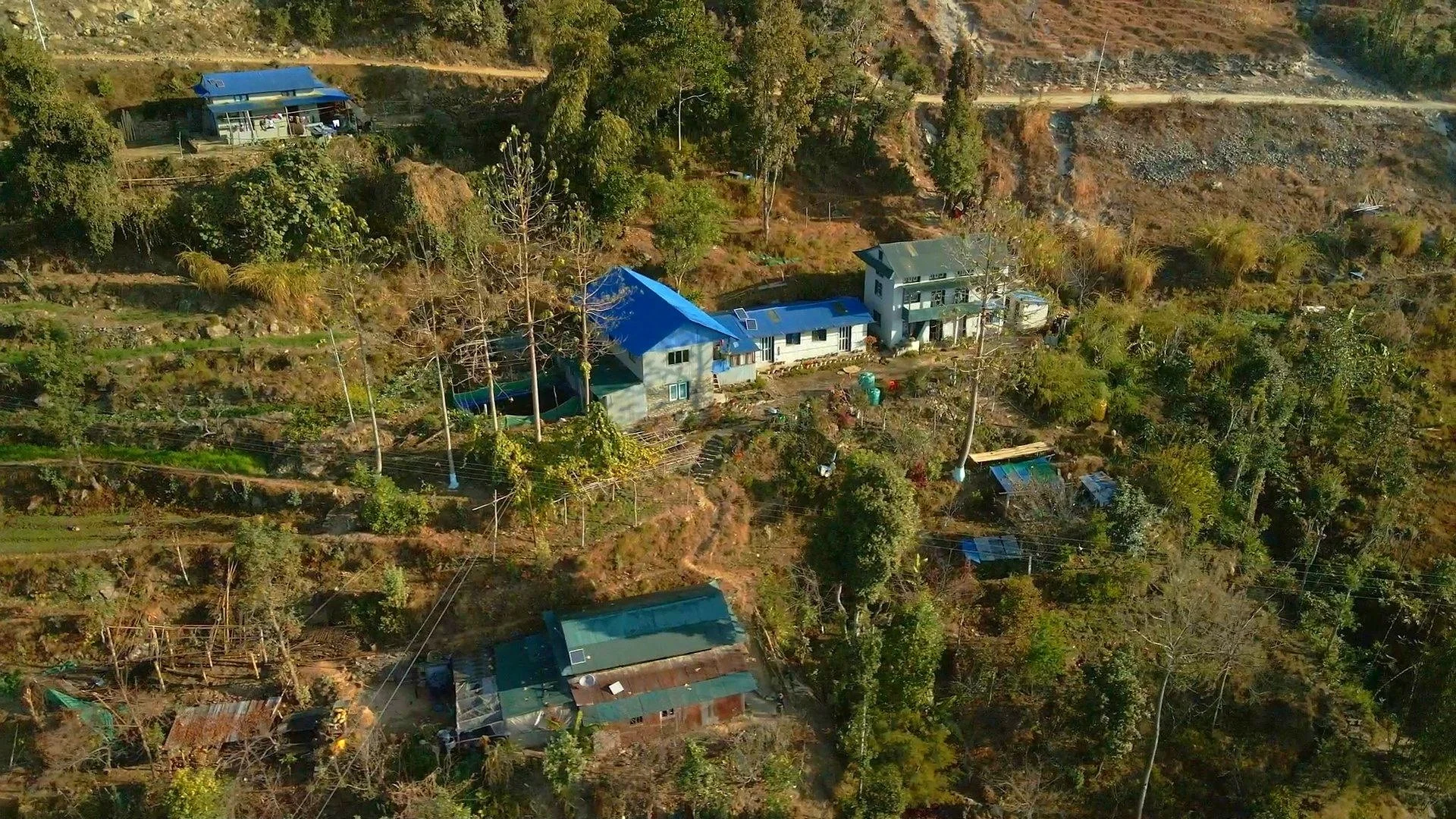
Integrated Water Resource Management Foot Hills (Siwaliks)

Why we're needed

Climate change is about people. What will increased crop failure do for their future?In the Himalayas the atmosphere is actually warming faster (between two and three times faster) than at sea level. Simply put: The higher you go the more the atmosphere is warming. Changes in climate are already the reality for hundreds of thousand of subsistence communities living at high altitudes. Volatile weather patterns can threaten their survival.

The Glacier Trust provides scientific and financial support for established NGOs working in Nepal at grass roots level, enabling the worst affected communities to adapt to their changing circumstances. It also provides higher education support help train Nepali postgraduates to deal with these complex situations.


Because of Nepal’s topographical diversity, the effects of climate change vary form region to region. Our projects are designed to reflect the problems experienced in three such geographical areas: The Foot Hills (Siwaliks); the Mid Hills (Pahad) and High Hills (Himal). Of these, the first two projects are under way and the High Hills project is still under research.


Our projects

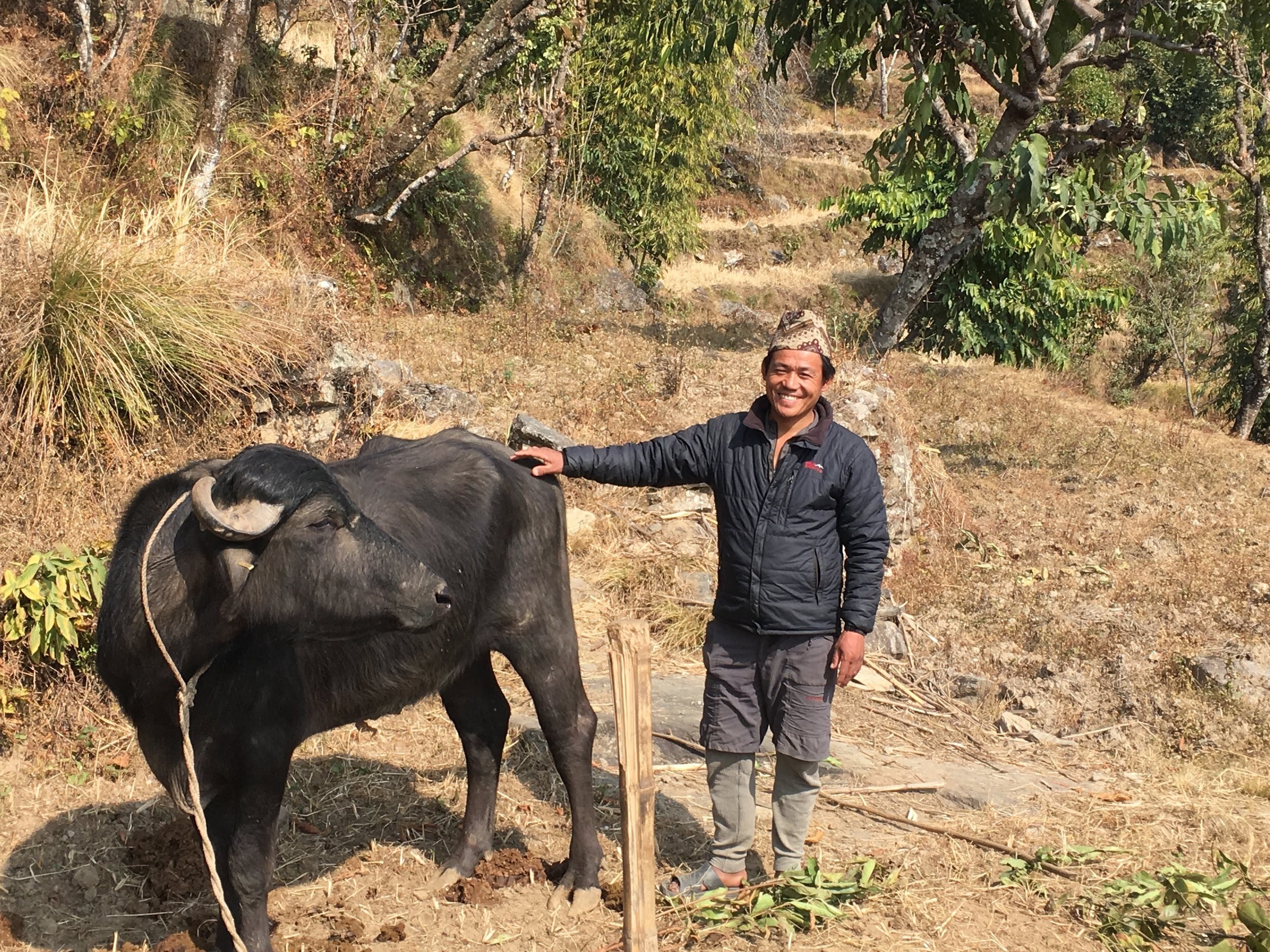
Forest conservation is poorly understood in some areas. The destruction of high forests can lead to slope failure.Mid Hills (Pahad)  - Forest conservation and alternative fuels

We are working in partnership with Eco Himal Nepal to produce a replicable programme to reduce the dependence of Nepali subsistence hill-farming communities on forest timber as a fuel source.


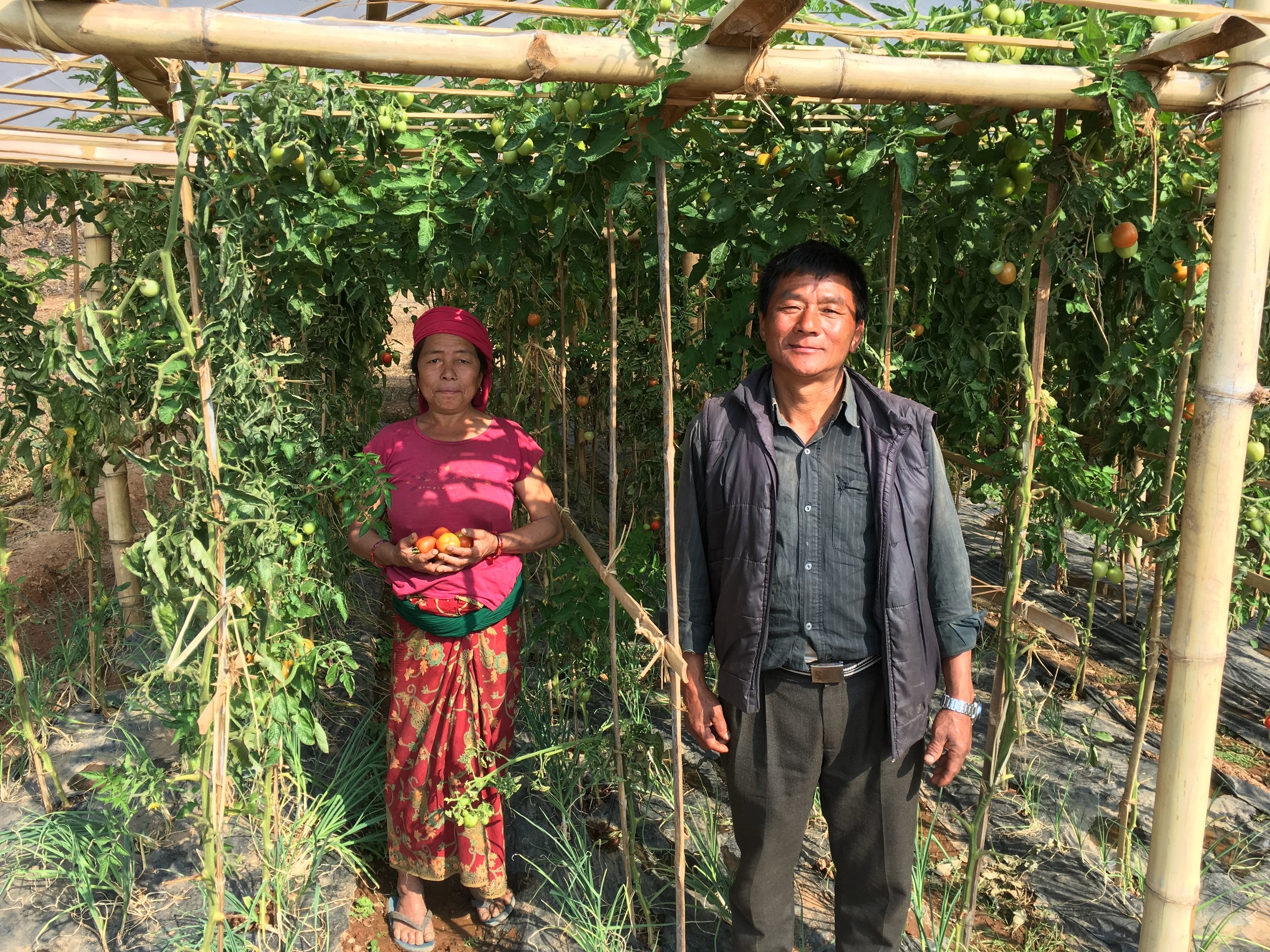
In some years there is virtually no rain for ten months. Water sources run dry.Foot Hills (Siwaliks) - Integrated water resourses management

Water Resource Management is a real issue in Nepal as rainfall patterns are showing a high degree of variability and the snowline is retreating upslope, making this water reserve less available irrigation and drinking in the high mountains.


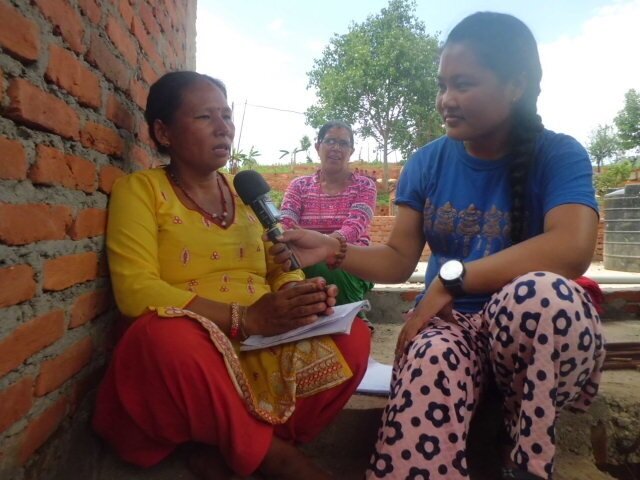
Faculty members at Tribhuvan University with representitives form Southampton University and The Glacier Trust.Higher Education & Capacity Building

We strongly believe that the Nepalese are the best people to provide capacity building initiatives to deal with the multiple problems of climate change that are already afflicting them. However they cannot do this without better understanding of the problems. For this they need financial support for higher education programmes.

Initially, each project focuses on a particular community and is then replicated and developed into neighbouring communities or those facing similar problems. This builds the capacity of communities to adapt and share solutions and provides an excellent basis for scientific training, research and analysis.