In a development landscape often shaped by short funding cycles and donor‑driven agendas, The Glacier Trust (TGT) has spent nearly two decades building something different in Nepal’s rural hills and mountains: a model of climate adaptation grounded not in transactions, but in relationships. Trust is not an add‑on to this work but is the organising principle that makes everything else possible.
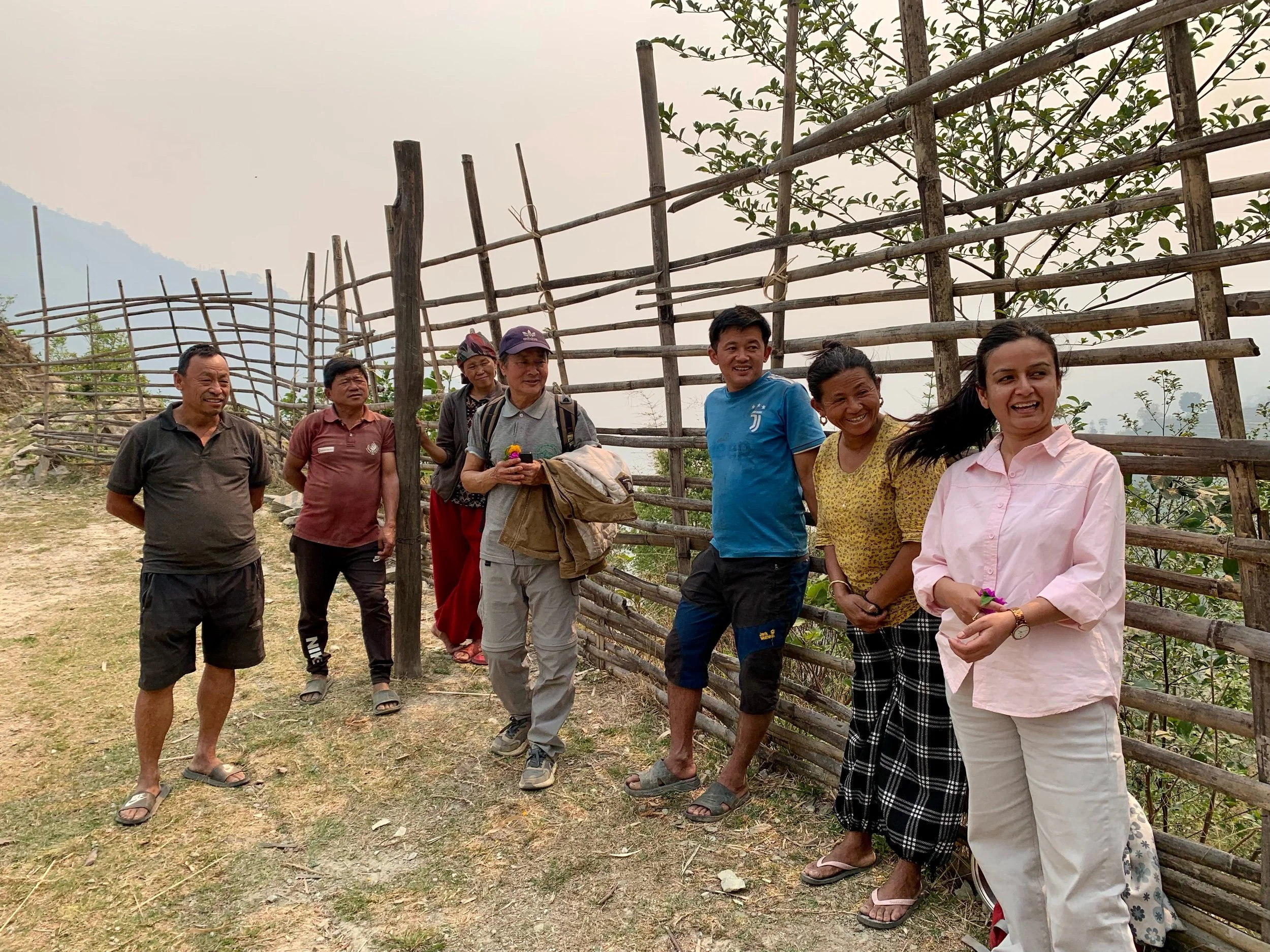
From the outset, TGT has chosen to work through long‑term partnerships rather than short‑term projects. In Nawalparasi, the organisation has walked alongside HICODEF since 2009; in Solukhumbu and Kavrepalanchok, its collaboration with EcoHimal stretches back to 2013 and 2017 respectively. These relationships have endured earthquakes, landslides, political upheaval and a global pandemic. They have grown stronger through each challenge, behaving less like contractual arrangements and more like extended family ties. In a sector where partnerships often last only as long as a grant cycle, this longevity is quietly radical.
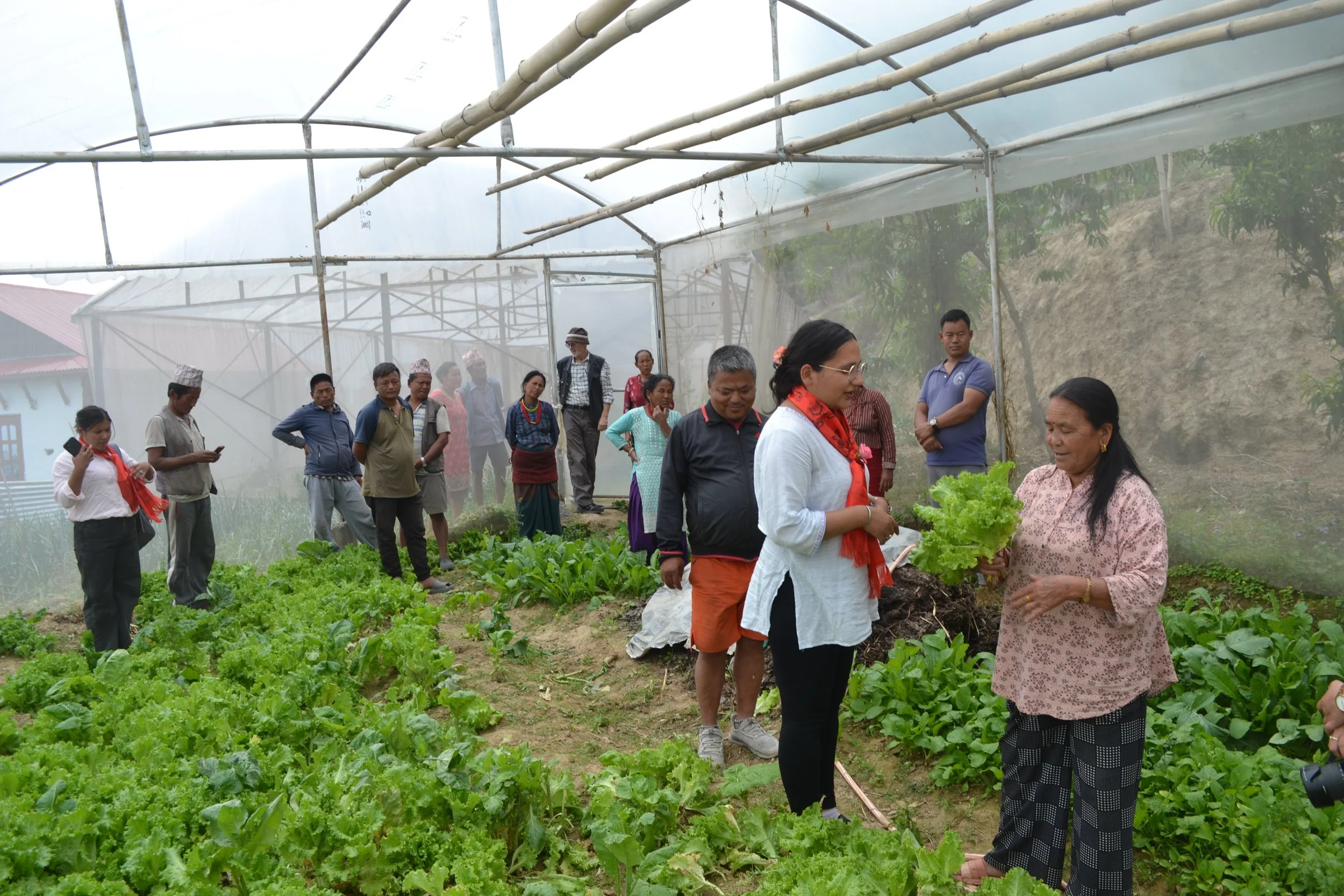
That depth of relationship shapes how projects are designed. TGT does not arrive with pre‑packaged solutions. Instead, project concepts, objectives and approaches are co‑created with partners and communities, ensuring that programmes reflect local priorities and lived realities. Authority sits with those closest to the land and the climate. Local organisations lead training, group formation, nursery development and market linkages. Farmers adapt agroforestry techniques to their own microclimates. Women and youth groups take on leadership roles in processing, marketing and training. This is subsidiarity in practice: TGT’s role is to support, not direct; to strengthen, not substitute.
Trust also shapes how learning happens. Monitoring and evaluation are treated not as compliance exercises but as shared opportunities to understand, adapt and improve. TGT and partner staff walk the land together, visiting farmers and making sense of challenges side by side. Reports focus on lessons learned rather than box‑ticking. Partners are encouraged to speak openly about what hasn’t worked, knowing that honesty will be met with problem‑solving rather than blame. We are all learning. Communities themselves participate in tracking progress, keeping diaries and shaping the interpretation of results. This creates a culture of mutual accountability in which everyone is responsible for learning, and everyone is responsible for improvement.
Because trust is built into the design of every programme, communities step forward as co‑creators rather than recipients. Farmers establish and run their own nurseries. Groups decide collectively which crops to prioritise and how to structure their agroforestry systems. Local government is invited in, strengthening legitimacy and embedding projects within municipal structures. Shared labour and shared learning deepen social cohesion. Agroforestry becomes more than a technical intervention; it becomes a trust‑building practice in itself. When people plant, tend and harvest together, they share risk, responsibility and benefit, and that shared experience strengthens the social fabric that underpins resilience.
Underlying all of this is an ethical stance that treats partnership as a human relationship, not a contractual transaction. The Glacier Trust is transparent about funding flows, expectations and limitations. It listens first, respects local norms and expertise, and avoids extractive practices. Learning is shared rather than taken. The organisation is reflexive about the potential power imbalance between a UK‑based charity and Nepali organisations, and works to soften it through humility, long‑term commitment and shared decision‑making. Trust is not assumed; it is cultivated through behaviour, consistency and a willingness to learn alongside partners.
This long‑term commitment is essential because meaningful climate adaptation takes time. Agroforestry itself is a generational investment: trees planted today will support families for decades. Communities describe this work as something that will benefit their children and grandchildren, not just their current income. And because relationships are stable and enduring, partners can plan for the long term rather than the next grant deadline. When disasters strike such as earthquakes, landslides, and political unrest, the trust already in place allows for rapid, flexible support. No bureaucracy. No hesitation. Just partnership.
In a sector often dominated by short‑termism, The Glacier Trust offers a different way of working: trust first, relationships first, people first. It is slower. It is deeper. And it works. This is because climate adaptation is ultimately a human process, built on the strength of the relationships that carry it.